Creative testing
Hook Testing For Paid Social
One shoot, many openings. We package unscripted footage so your media buyer has something to test rather than one video to hope for.
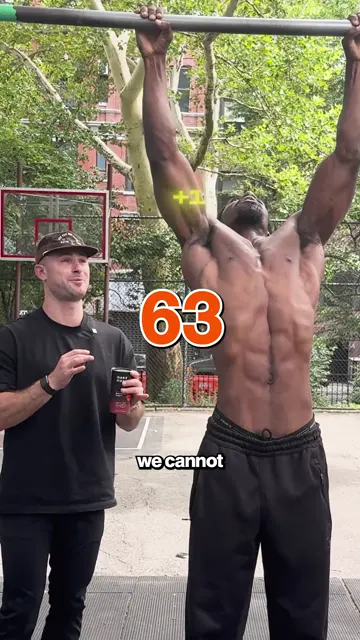
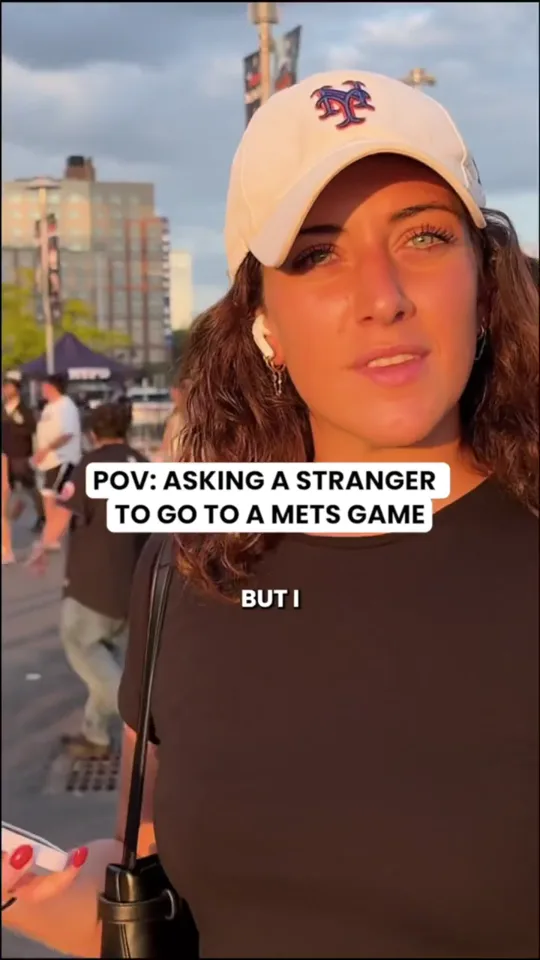
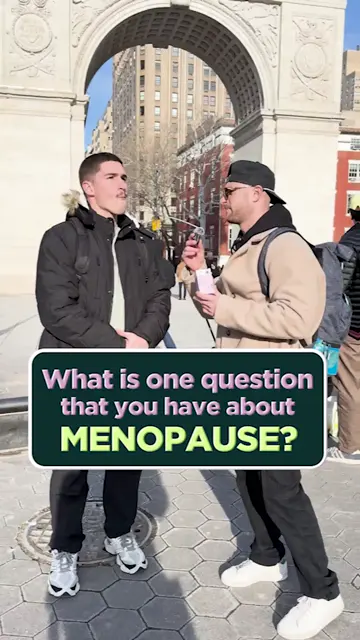
The hook is the whole ad
On a vertical feed, the first few seconds decide whether the rest of the ad exists. Everything downstream—demo, offer, proof, end card—only matters if the opening earned a stop.
That makes the hook the highest-leverage creative variable and the worst thing to guess at.
Most accounts still test the wrong layer first: budgets, audiences, placements—while shipping a single opening. When performance stalls, teams often rebuild the entire spot. A cleaner system isolates the opening, holds the body constant, and learns what the market actually responds to.
What “hook testing” means here
Hook testing means producing multiple distinct openings (visual + verbal) that can run on a shared body edit, so the primary variable is the first seconds—not a completely different ad each time.
Unscripted street and IRL footage is unusually good raw material for this because one shoot day naturally contains many openings:
- A surprised face before anyone speaks
- A blunt first sentence
- A wrong price guess
- An objection said out loud
- A laugh that reframes the product
We cut those openings onto a shared body so your buyer can run a structured test instead of a creative coin flip.
This page is about how we package production for testing. Media buying stays with you or your buyer unless you arrange otherwise.
The testing protocol we recommend buyers run
You do not need our media team to use this protocol. You need disciplined creative inputs.
- 01Pick one body — the offer, demo, or proof section that stays fixed for the test cell.
- 02Attach 3–5 distinct hooks — different first frames and first lines, not tiny trims of the same open.
- 03Hold audience and budget logic steady enough to read — exact account setup is your buyer’s call; the creative rule is “one variable.”
- 04Read the funnel in order — hook → hold → click → page → conversion. A failed hook is not a failed offer.
- 05Scale winners, kill losers — then brief the next shoot around what won.
Reading the signals
Industry-standard diagnostics buyers often use. These are measurement definitions only, not NYDM guarantees:
- Hook rate (e.g. 3-second views ÷ impressions) — did the opening stop the scroll? If it fails, change the hook, not the offer first.
- Hold / thru-play — did the middle keep attention? Fix body pacing and story after hooks clear.
- Link CTR — did it create action intent? Revisit the angle, proof, or CTA.
- Landing outcomes — did the promise survive the click? Check message match on the page.
- CPA / ROAS — business efficiency. Use it for decisions after the creative diagnosis.
Use your platform’s native metrics and your buyer’s thresholds. Different accounts define “good” differently.
How we build variations from unscripted shoots
Street & POV interviews: we capture a volume of real conversations and reactions, then cut multiple openings from the day’s footage.
Challenge-style & experiential: these formats are built with premise, stakes, and payoff—and are packaged with multiple hook variations per video on the current service offering.
Expert interviews: credentialed validation shoots include multiple hook variations in the current packaging.
Add-on hook cutting: when footage already exists, additional alternate openings can be cut as an add-on — see the rate card for current pricing.
What you learn (when the test is clean)
- Which framing stops the scroll for your audience
- Which objection or curiosity gap matters most
- Which claim survives contact with a stranger
- Which angle deserves more spend—and which should be retired
Then the loop continues: strategise → produce → test → scale winners. That loop is the engine. The file you upload to Ads Manager is only the visible part.
Who this is for
- DTC and consumer brands already spending on Meta/TikTok who are tired of single-hero creative
- Teams replacing “more UGC volume” with structured creative learning
- CPG brands running taste/reaction angles that spawn many natural openings
- Marketers pairing authenticity creative with a real testing culture
Example angles that become hooks
Illustrative angles drawn from unscripted footage — not performance claims:
- Price-guess open
- Blind first reaction
- “What do you currently do about ___?”
- Objection-first open
- Challenge premise open
Browse finished work patterns in the portfolio, including Everyday Dose taste-test and challenge cuts.
See the Everyday Dose work →Timeline
Most projects deliver in about two to three weeks from kickoff, so a testing cycle can start inside a month depending on your media setup.
Deliverables checklist
- Multiple distinct openings on a shared body edit
- Shorter cut-downs for retargeting
- Vertical exports sized for TikTok, Meta, Reels and Shorts
- Format-dependent hook counts — challenge, experiential and expert packages state their included variation counts on their service pages; street and POV variations come from the shoot day’s footage
- Revision rounds and aspect-ratio delivery per the live rate card terms
Formats that fit
Questions brands ask
How many hooks do we get?
Challenge-style and experiential packages include multiple hook variations per video; expert interviews include multiple hooks; street and POV shoots produce variations from that day’s footage. Confirm the count for your mix on a call and on the rate card.
Do you run the ads for us?
We produce the creative and work alongside your team. You or your media buyer run the spend and share what wins so we can shoot more of it.
Can we test hooks without a new shoot?
If we already have footage, alternate openings can be cut as an add-on where available on the rate card.
Is this only for street interviews?
No. Hook packaging applies across our services—street, POV, challenge, experiential, expert—and is especially natural with unscripted IRL footage.
More context on the client portfolio, the rate card and the blog.